Four Families, Four Unexpected Favourites
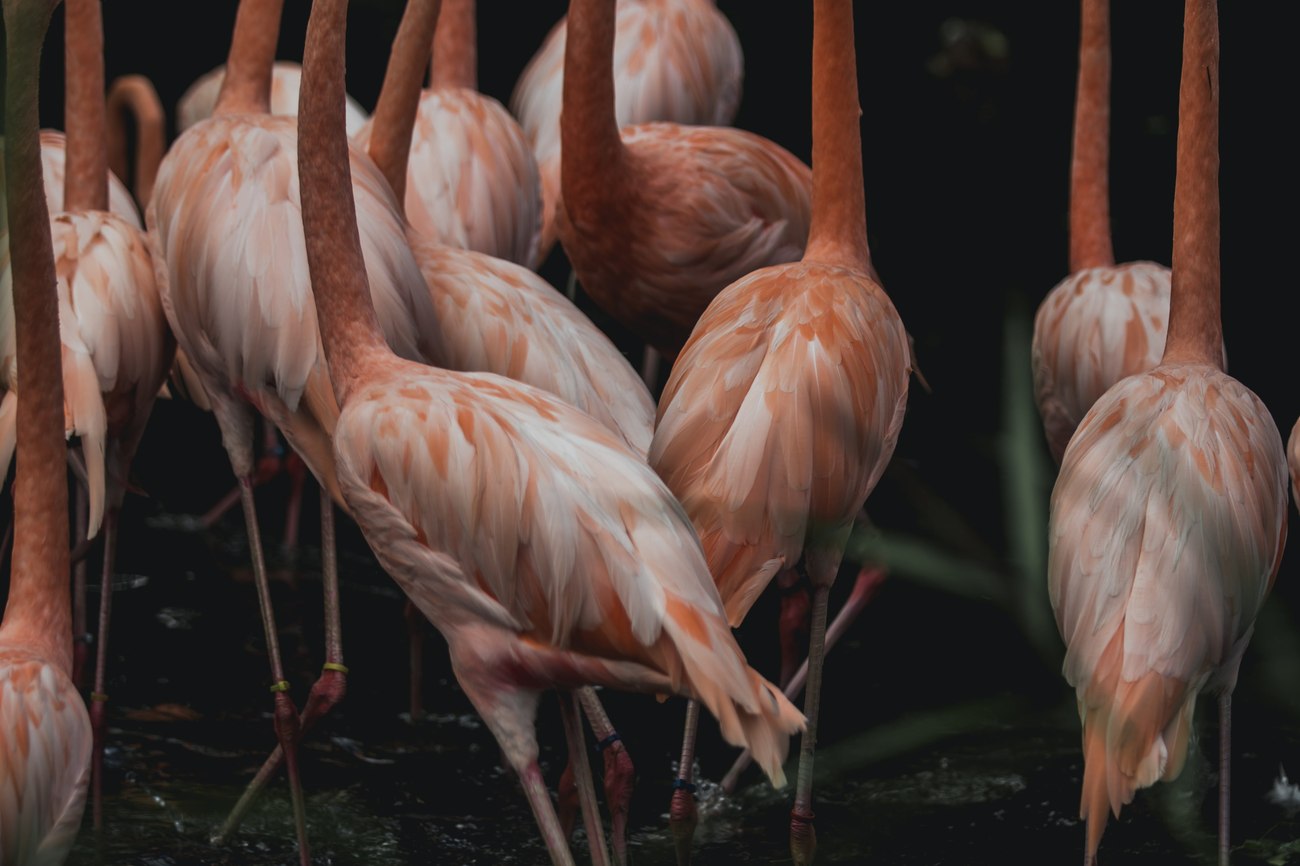
My daughter asked if flamingos were pink because they ate too many strawberries. So Mawero, the flamingo character, answered her question so beautifully and educationally. The conversation went on to why we don't see them in the wild, where they migrate to, and how they sleep standing on one leg. By the time Mawero finished, my daughter had learned more about flamingos in ten minutes than I had in thirty years.
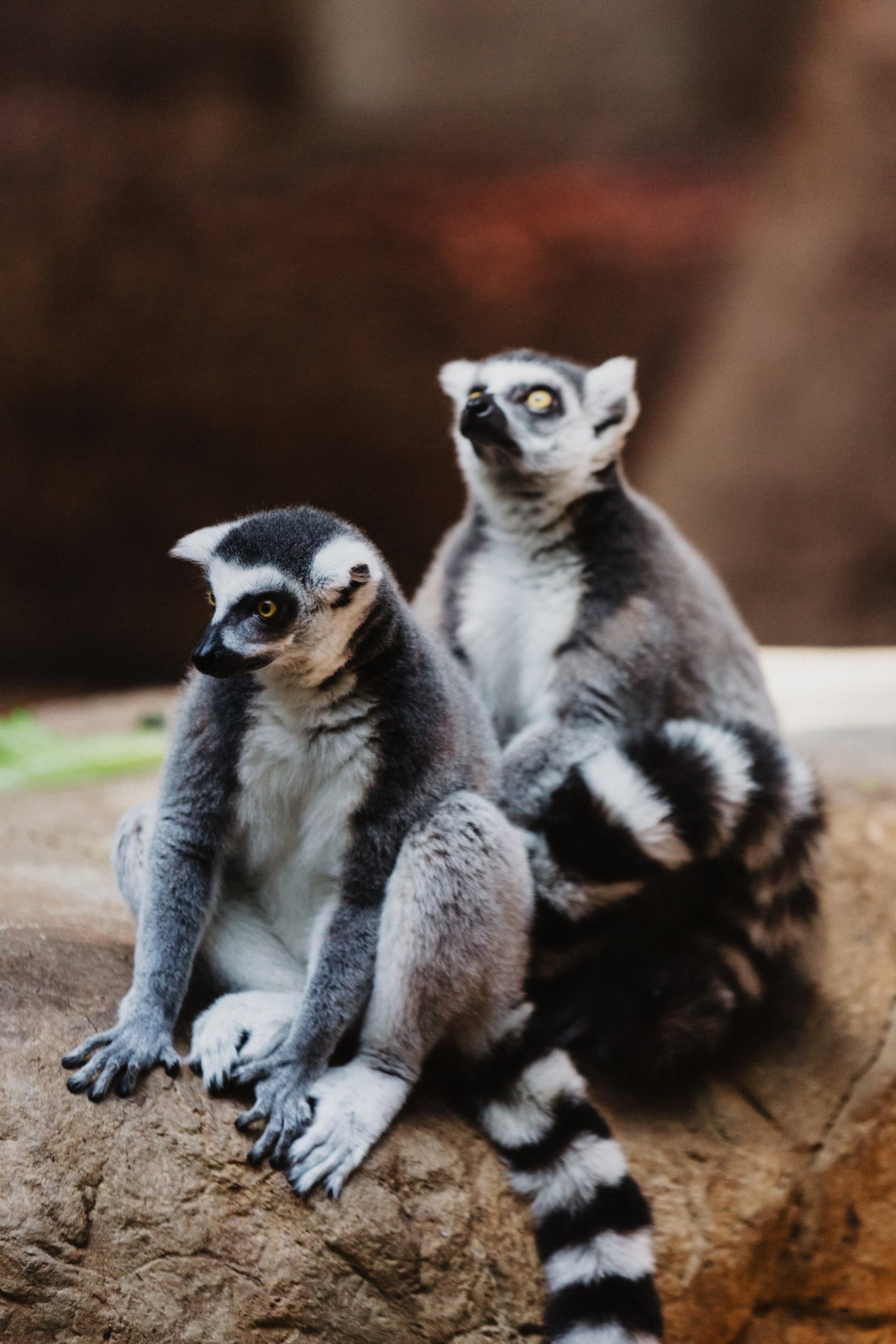
Kiki, the lemur, answered my kids' questions with cheeky charm. The conversation went on to how Madagascar became their world, how they evolved differently from every other primate, and why those haunting calls aren't just noise — they're family conversations across the treetops. Now Lilly corrects anyone who calls them monkeys, and Hugo is already planning our move to Madagascar.
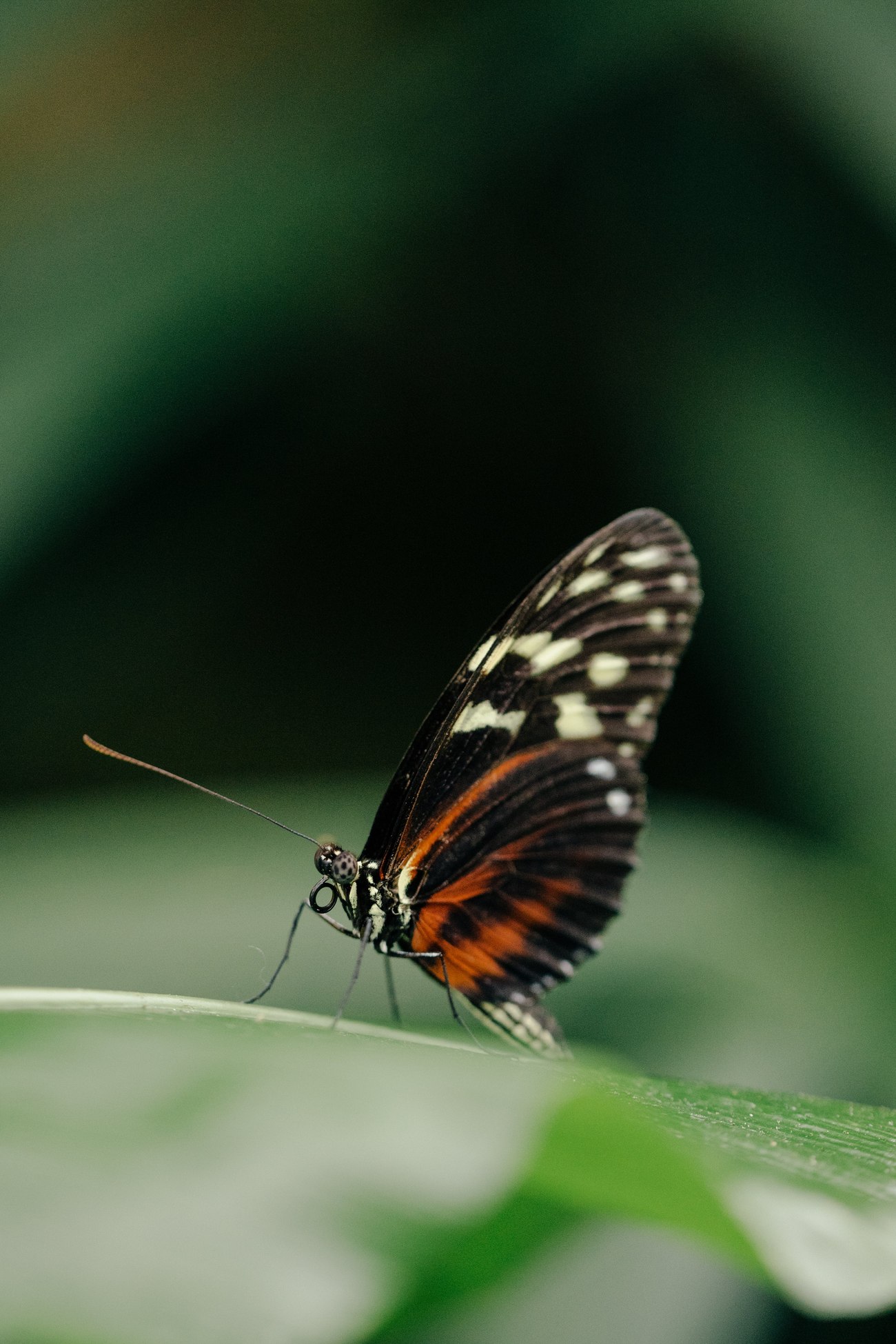
Small butterflies are often overlooked. But now that we could "talk" to them, it opened a new world. My kids asked if they remember being caterpillars. Bella, the butterfly, explained it simply — how they carry memories with them, like avoiding scents they learned to fear as caterpillars. We learned about transformation, migration, and magic. Now we stop for every butterfly we see.
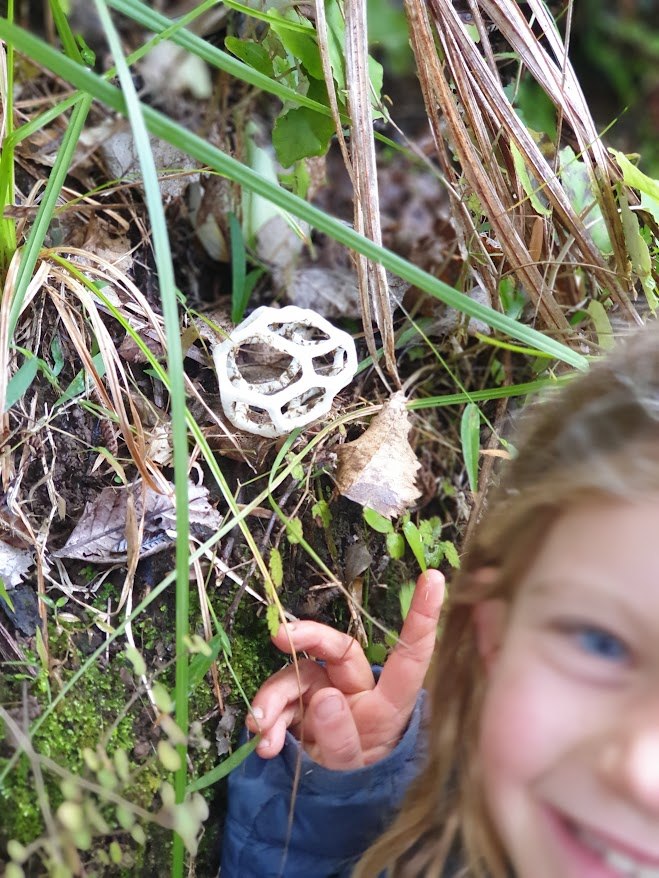
Listening to the basket fungi's origin story and asking about its Māori use was a real eye-opener for me. My daughter first thought it was a lost alien. Now we know exactly where to find them, and we stop for every one we spot.